
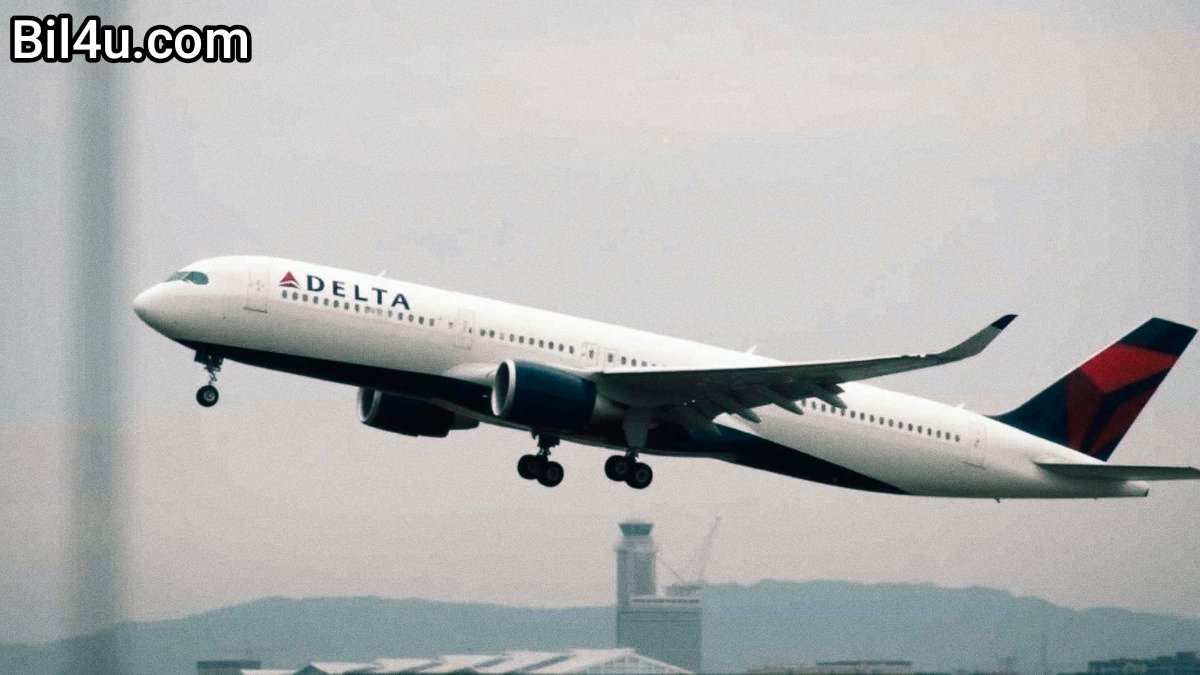
Air travel is often a complex web of schedules, routes, and unexpected events. One such event recently made headlines: Delta Flight DL275’s diversion to LAX. Passengers onboard were left wondering what had gone wrong as their journey took an unforeseen turn. In this blog post, we’ll unravel the mystery behind this incident. From technical breakdowns to the crew’s response and even passenger rights, we’ll explore every angle of this intriguing situation that captivated many in the aviation world. Let’s dive into what led to Delta Flight DL275 being diverted to LAX and what it means for air travel today.
Understanding the Reasons for Delta Flight DL275’s Diversion to LAX
Delta Flight DL275, en route from New York to Los Angeles, faced an unexpected diversion that left many curious. Diversions can occur for various reasons—ranging from weather issues to technical malfunctions. This particular incident raised questions about safety protocols and operational efficiency in modern air travel.
Passengers onboard experienced sudden changes as the flight rerouted to LAX instead of its intended destination. The crew’s swift decision-making was crucial in ensuring everyone’s safety during this unplanned detour. Understanding these dynamics sheds light on the complexities of flying today.
What Exactly Happened with Delta Flight DL275 Diverted LAX?
Delta Flight DL275 was en route from New York City to Los Angeles when it experienced an unforeseen situation. Shortly after takeoff, the crew detected a potential technical issue that required immediate attention.
As a precautionary measure, the flight was diverted to LAX. Passengers and crew alike remained calm throughout the process, demonstrating resilience in an unexpected circumstance. The plane landed safely at Los Angeles International Airport, allowing for professional assessment of the aircraft’s condition before any further decisions were made regarding travel plans.
Why Did Delta Flight DL275 Get Diverted to LAX? The Technical Breakdown
Delta Flight DL275 was diverted to LAX due to a technical malfunction during its journey. The aircraft experienced an alert related to the engine performance, prompting the crew to prioritize passenger safety and initiate emergency protocols.
Upon assessing the situation, pilots determined that landing at Los Angeles International Airport was the best course of action. Quick decision-making ensured minimal risk, allowing for a safe landing while maintaining communication with air traffic control throughout the incident.
How the Crew and Passengers Handled Delta Flight DL275 Diverted LAX
The crew aboard Delta Flight DL275 responded to the diversion with professionalism and calm. They quickly communicated with passengers, providing updates about the situation. Their assurance helped ease anxiety among those on board.
Passengers also played a vital role in maintaining a positive atmosphere during the unexpected turn of events. Many offered support to each other, sharing stories and laughter as they awaited further instructions. This collective resilience showcased how human connection can thrive even in uncertain circumstances.
The Financial and Operational Impact of Delta Flight DL275 Diverted LAX
The diversion of Delta Flight DL275 to LAX had notable financial implications. Airlines often bear significant costs when planes are diverted, including fuel expenses and potential compensation for inconvenienced passengers. The operational aspects also come into play, as re-routing a flight affects schedules across the network.
Additionally, ground services at LAX needed to accommodate an unexpected influx of passengers and baggage. This can strain resources and lead to delays in connecting flights. Such situations highlight the importance of efficient crisis management within airline operations during disruptions like this one.
The Role of Modern Aircraft Design in the Diversion
Modern aircraft design plays a crucial role in ensuring safety during unforeseen circumstances. Advanced systems, like fly-by-wire technology and real-time monitoring, allow pilots to respond quickly to issues that may arise mid-flight. In the case of Delta Flight DL275 diverted LAX, these innovations likely aided the crew in making informed decisions.
Additionally, enhanced aerodynamics and engine efficiency contribute to better fuel management. This can be vital when diversions occur, as it ensures that aircraft have enough reserve fuel for rerouting without compromising passenger safety or comfort.
Passenger Rights and Expectations in Similar Situations
When facing a diversion like Delta Flight DL275 diverted LAX, passengers have specific rights. Airlines must ensure your safety and provide basic necessities such as food, water, and accommodation when necessary. You can expect clear communication about the situation from the crew.
Additionally, travelers are entitled to compensation under certain circumstances. This can include refunds or vouchers for future travel. It’s essential to know these rights so you can advocate for yourself during unexpected disruptions in your journey. Stay informed; it empowers you as a passenger.
Broader Industry Costs from Diversions
Diversions like Delta Flight DL275 to LAX can have significant ripple effects across the aviation industry. Airlines face immediate costs, including fuel and maintenance fees, as well as potential compensation for affected passengers. These expenses quickly add up, affecting overall profitability.
Moreover, diversions can lead to a domino effect on scheduling and operational efficiency. Ground crews are often stretched thin managing unexpected arrivals, which may delay other flights. As airlines grapple with these challenges, it’s crucial they find ways to mitigate such costly disruptions in the future.
How Predictive Maintenance Could Change Flying
Predictive maintenance is revolutionizing the aviation industry. By utilizing advanced analytics and IoT technologies, airlines can monitor aircraft systems in real time. This proactive approach allows for timely interventions before issues escalate into serious problems, like flight diversions.
For flights such as Delta Flight DL275 diverted to LAX, predictive maintenance could potentially minimize disruptions. With earlier detection of technical faults, planes can be serviced more efficiently. This not only enhances safety but also boosts operational reliability.
As airlines invest in these technologies, passengers may experience smoother journeys with fewer unexpected changes. The future of flying looks promising as we embrace innovations that ensure safer skies and better travel experiences for everyone involved.